Is Reformer Pilates Worth It? What You Need to Know

Updated: Nov 1
Last Updated: November 1, 2026
Quick Summary
Yes, reformer Pilates is worth it if you attend consistently, because the springs and sliding carriage build usable strength, mobility, and posture with guided feedback. The value comes down to cost per session you actually attend, so compare the option you will realistically stick with rather than the sticker price.
Reformer Pilates is a low-impact, full-body workout using a sliding carriage and springs instead of weights.
Drop-in group classes typically cost about $25 to $45 per class.
Two to three sessions per week is a workable frequency for many people starting out.
A home reformer makes more sense once you have solid body awareness and a consistent practice.
Start with beginner-friendly sessions and ask for modifications rather than jumping into advanced classes.
Table of Contents
What Reformer Pilates Is and How the Machine Works
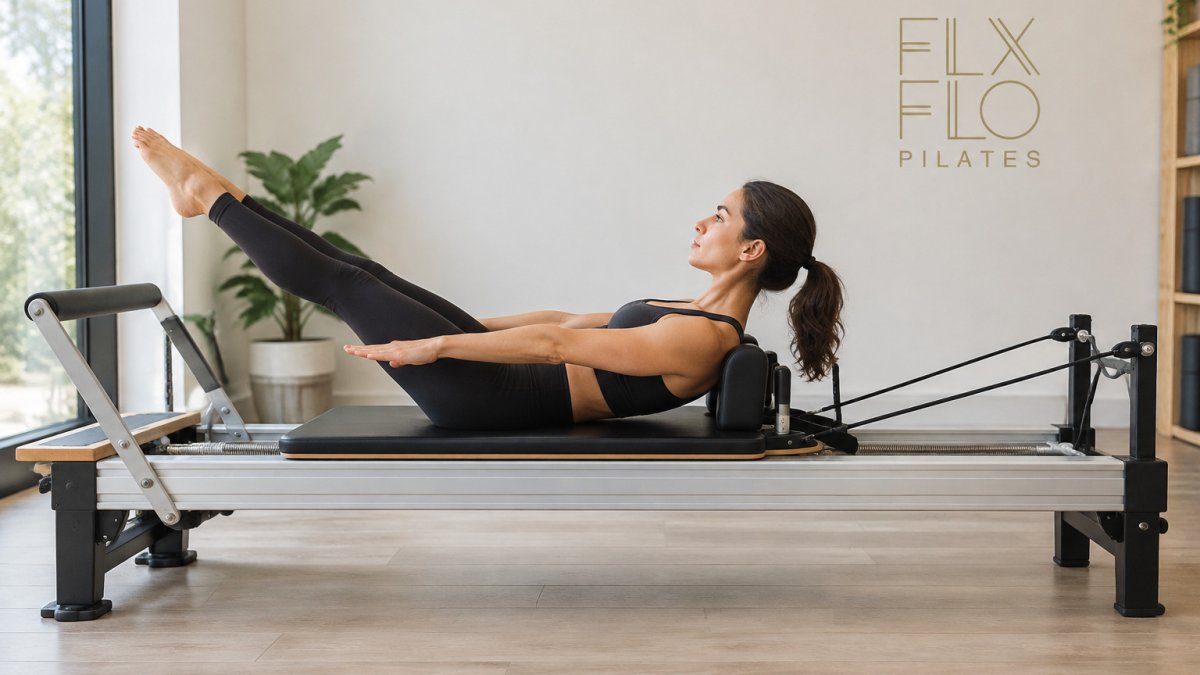
Reformer Pilates is a low-impact, full-body workout performed on a sliding carriage that moves along a track, with resistance provided by springs rather than weights. At FLX FLO Pilates, we teach it as a method for moving better, not just more. You lie, kneel, or sit on the carriage and push or pull against spring tension, which builds strength through a controlled range of motion.
The machine does the teaching. Your job is to stay precise.

Springs, Straps, and the Carriage
Three parts do most of the work:
The carriage slides along the frame. Your control of that slide is the exercise.
Springs set the resistance. Fewer springs can feel harder because the carriage gets less stable.
Straps and the footbar connect your hands and feet to the movement.
A common surprise for beginners: adding a spring does not always make it harder. It changes what your muscles must do to stay in control. That is why the same exercise feels different from one class to the next.
The Physical Benefits: Strength, Flexibility, and Posture
Reformer work builds usable strength and mobility at the same time, which is why many adults choose it over higher-impact training. The springs add progressive resistance while the moving carriage trains balance and muscle control together.
Muscle Strength and Endurance
Every rep asks your core, hips, and shoulders to stabilize while your limbs move. That builds muscle endurance, the kind you use holding good posture through a long workday. As the American Council on Exercise explains in its guide to Pilates training notes, Pilates emphasizes controlled movement and core stability rather than heavy loading.
Flexibility, Mobility, and Joint Stability
The carriage lets you work through a fuller range of motion under tension. In practice, this means flexibility gains that come with strength rather than instead of it. Joint stability improves because you control the movement instead of dropping into it. For a deeper look, read our article on whether reformer Pilates really improves flexibility.
Reformer Pilates Cost: What You Pay and What You Get
Reformer Pilates costs more than mat classes, and the machine is the reason. But "more expensive" is not the same as "not worth it", the real question is cost per useful session against what you actually get from it.
What Is a Pilates Reformer Beginner Tour? Beginner Tour + Equipment Explained [EN]
Performance Fit Pilates
What Reformer Classes Typically Cost
Pricing depends on class format, package, and schedule. For current FLX FLO Pilates prices and the new client intro offer option, see the pricing page on our website.
The Value Math Most Guides Skip
If you attend consistently, the per-session cost of a class pack or membership drops well below the drop-in rate. If you attend once a month, the math flips and the membership is poor value.
The honest calculation is cost per session you actually attend, not cost per session you buy. Before you commit to a pack or membership, count how many times you realistically will go in a month.
Home Reformer vs. Studio: The Break-Even Question
A home reformer can pay for itself over time, but only if you use it. For most beginners, the studio is the better value early on because form correction prevents wasted effort and injury. A home machine makes more sense once you have solid body awareness and a consistent practice.
Key Takeaway It is poor value if you buy a membership you rarely use or a home machine you do not have space or discipline to use. Compare the per-session cost of the option you will actually stick with, not the sticker price.
Our pricing page lists current options so you can compare before you commit.
Reformer Pilates vs. Mat Pilates: Which Fits Your Goals?
Reformer Pilates uses a moving carriage and springs to add resistance and support; mat Pilates uses only your body weight on the floor. Both build core strength. They differ in feedback, support, and price.
Choose the reformer if you want help finding correct alignment, have joint issues that make floor work uncomfortable, or want progressive resistance.
Choose the mat if you travel often, want a low-cost home routine, or already have solid body awareness.
Use both if you want studio guidance once or twice a week and short mat sessions in between.
The honest trade-off: mat work is cheaper and more portable, but it gives you less feedback. If your posture is the goal, the reformer's support often helps beginners feel the right muscles sooner.
How Often to Do Reformer Pilates for Real Results
Many people find two to three sessions per week a workable frequency, especially when starting out. Recovery needs vary, so pace yourself. Consistency matters more than intensity, two steady weekly classes beat one exhausting session.
A Realistic Results Timeline
What you notice, and when, depends on your starting point, how often you practice, and what you are measuring. A common pattern among people new to the practice:
Results vary by person. Consistency, instructor guidance, and what else you do outside class all affect outcomes.
How to Track Progress Without Guessing
Because reformer work is low-impact and gradual, progress can be easy to miss. Concrete measures help:
Log your springs and reps. Note the spring settings and repetitions for a few benchmark exercises each session. Needing fewer springs for the same control, or more reps with clean form, is real progress.
Use a simple posture check. Stand against a wall and notice how your head, shoulders, and lower back contact it. Repeat monthly.
Track consistency, not just intensity. A calendar of sessions attended is the most honest measure of whether the investment is paying off.
Note daily-life changes. Easier stair climbing, less end-of-day back stiffness, or better balance are practical outcomes that matter more than aesthetic changes.
Evidence Quality and Realistic Expectations
Much of the research on Pilates comes from small studies or specific populations, such as older adults or people with low back pain. Those findings are encouraging but should not be read as proof that reformer Pilates will fix a specific condition or produce a particular result for everyone. Treat claims of dramatic transformation with skepticism.
If posture is your main goal, our guide on how many Pilates sessions for posture lays out a realistic timeline. And if you are brand new, our beginner reformer classes guide explains what a first session actually looks like.
The Downsides of Reformer Pilates You Should Know
Reformer Pilates has real drawbacks, and you should weigh them before signing up. The equipment cost drives class prices up. Studios can be hard to book at popular times. And the reformer is not portable, so it will not replace a home routine.
Watch out: jumping into advanced classes before you learn the basics is the most common way beginners get frustrated or strain something. Start with beginner-friendly sessions and ask for exercise modifications.
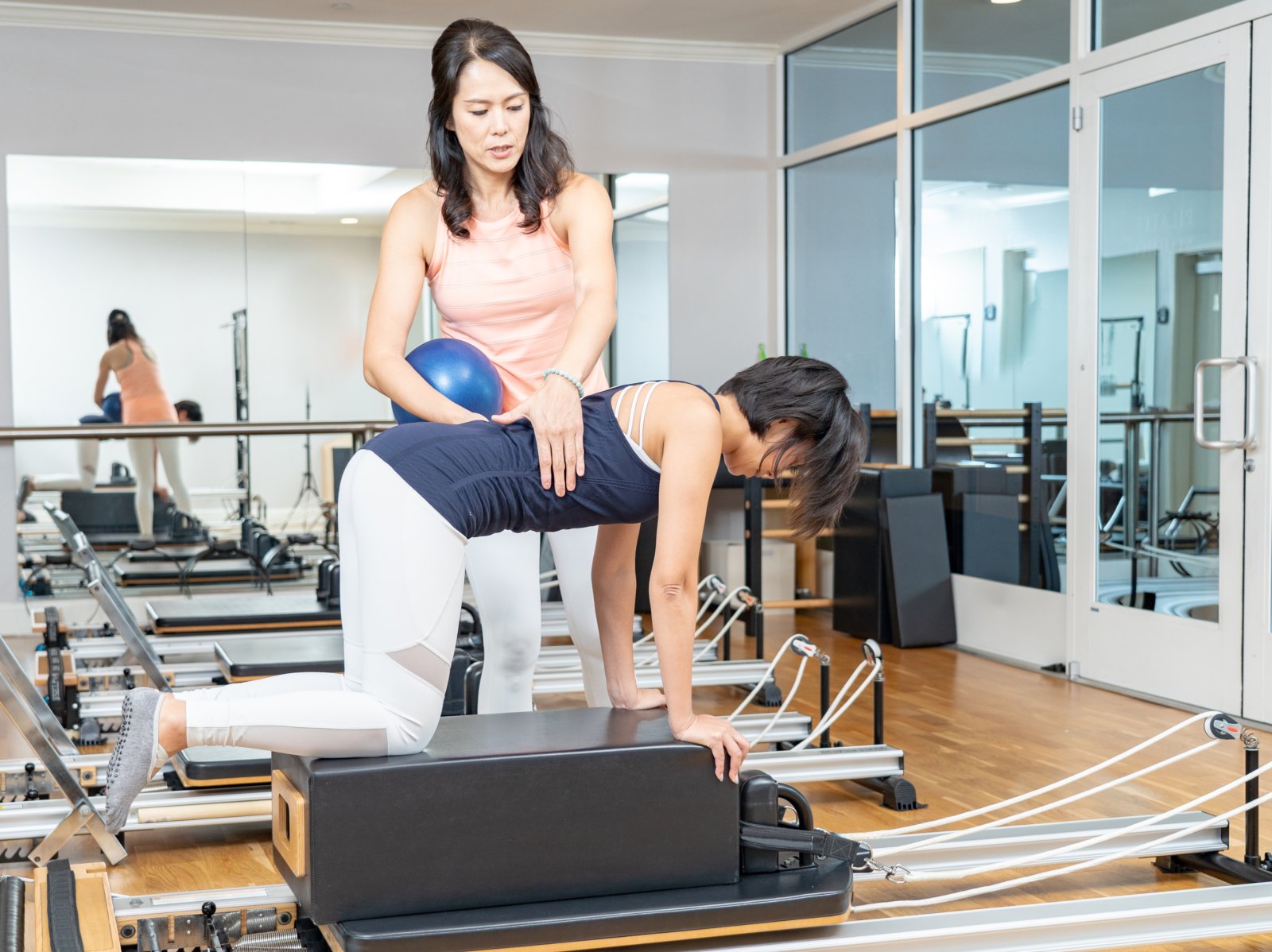
One more thing most guides skip: results depend heavily on instructor quality. A large class with little correction is not the same product as a small one with hands-on cueing.
Who Benefits Most, Who May Not, and What to Expect
Reformer Pilates suits people who want low-impact strength training with guidance. Adults managing old injuries, desk workers with poor posture, and athletes cross-training all tend to do well. Beginners are welcome; the springs meet you where you are.
Who may not benefit as much:
People who want heavy strength training or high calorie burn
Anyone expecting fast weight loss from classes alone
People with an acute injury who have not been cleared by a clinician
If you are recovering from an injury or managing a physical limitation, talk to your doctor first and tell your instructor. Our guide to beginner reformer classes explains what a first session actually looks like, so you know what to expect before you walk in.
Book Your First Reformer Session at FLX FLO Pilates
The best way to answer "is reformer Pilates worth it" is to feel it once with a trained eye watching your form. At FLX FLO Pilates, every session focuses on postural integrity, deep core activation, and sustainable strength. We meet you where you are, whether you are rebuilding a foundation or refining a practice.
Ready to try it? Our intro offer of three group reformer classes for $90 is built for first-timers. Get started with FLX FLO Pilates and see how moving smarter feels.