How to Meet Pilates Instructor Certification Requirements

Last Updated: October 30, 2026
Quick Summary
Pilates instructor certification requirements come down to three things: training hours, anatomy knowledge, and supervised teaching practice. Most programs build all three into one course, and skipping any of them will leave you struggling on the studio floor.
Comprehensive courses covering the reformer and other apparatus often run several hundred hours.
Most programs expect a year or more of personal Pilates experience before you enroll.
Look at the practicum before anything else, since no supervised teaching hours leaves you shaky in the studio.
Mat certification is the faster, cheaper entry point but limits where you can teach.
Choose a certification body that requires a practical exam, not just a written test.
Table of Contents
What Pilates Instructor Certification Requirements Actually Cover
Pilates instructor certification requirements explained in plain terms come down to three things: training hours, anatomy knowledge, and supervised teaching practice. For a broader introduction to the method itself, explore Pilates. Most programs build all three into one course. Skip any of them and you will struggle on the studio floor.
The anatomy is usually fine. The hands-on cueing is where people freeze.
A good program covers:
Training hours: Lecture, observation, and self-practice time
Anatomy and biomechanics: How the spine, hips, and shoulders move
Practical teaching: Real sessions with real bodies, watched by a trainer
Assessment: A written exam plus a teaching demonstration
The Pilates Method Alliance is a useful starting point for understanding how the profession views certification.
Training Hours, Anatomy, and Practical Teaching
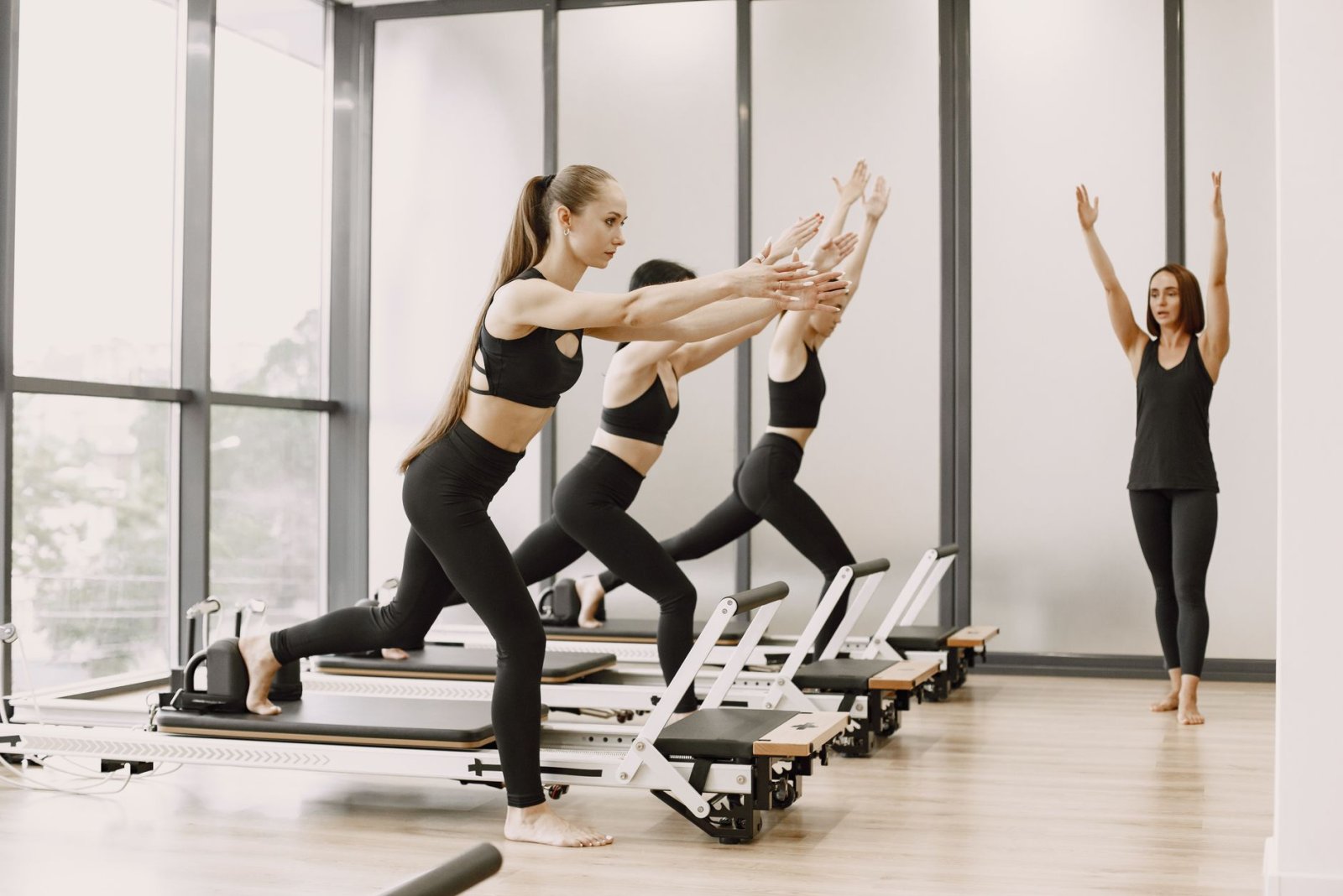
Hours vary by program. Mat-only courses tend to be shorter. Comprehensive courses that include the reformer and other apparatus run much longer, often several hundred hours.
Anatomy study is not optional. You need to understand neutral spine, spinal articulation, and how the core stabilizes the body before you can cue any of it.
Practical teaching is the part new instructors underestimate. Watching a trainer demonstrate is easy. Getting a client with a stiff hip to move well is a skill you build by doing it.
How to Become a Pilates Instructor Step by Step
Here is the short answer: pick a program, complete the coursework, pass the exam, then keep learning.

The steps look like this:
Build your own practice first. Most programs expect a year or more of personal Pilates experience.
Choose a program. Check the hours, the apparatus covered, and whether it includes supervised teaching.
Complete the coursework. Expect anatomy, movement principles, and class sequencing.
Do your practicum. Teach real clients under observation.
Pass the exam. Written and practical.
Get insured and start teaching. Then keep taking continuing education.
Choosing a Program and Completing Your Practicum
Look at the practicum before anything else. A program with no supervised teaching hours leaves you certified on paper and shaky in the studio.
Ask how many observation hours are included. Ask who supervises the teaching practice. Ask whether you will work with clients who have injuries or limitations.
Pilates Instructor Certification Cost: What Drives the Price
Cost depends on four factors: the certification body, the hours included, whether apparatus training is covered, and whether the program includes a practicum.
Other cost lines to plan for:
Exam fees, sometimes billed separately
Continuing education credits after certification
Insurance
Travel if the program is not local
We do not publish a single number here because it genuinely varies. Always do your research and confirm if there are any other mandatory costs not included in the certification tuition, such as the cost of required weekly private sessions, studio observation fees, etc.
Pilates Instructor Certification Duration: How Long It Takes
Most certification programs take somewhere between a few months and a year. The range is wide because the requirements are wide.
A short mat course might run a few weekends. A comprehensive program with hundreds of training hours takes much longer, especially if you are working another job.
What stretches the timeline:
Practicum hours that must be logged over weeks
Exam scheduling
Your own practice and observation requirements
What shortens it: a full-time schedule, a program with rolling start dates, and prior anatomy coursework.
Mat Pilates Certification vs Comprehensive Certification
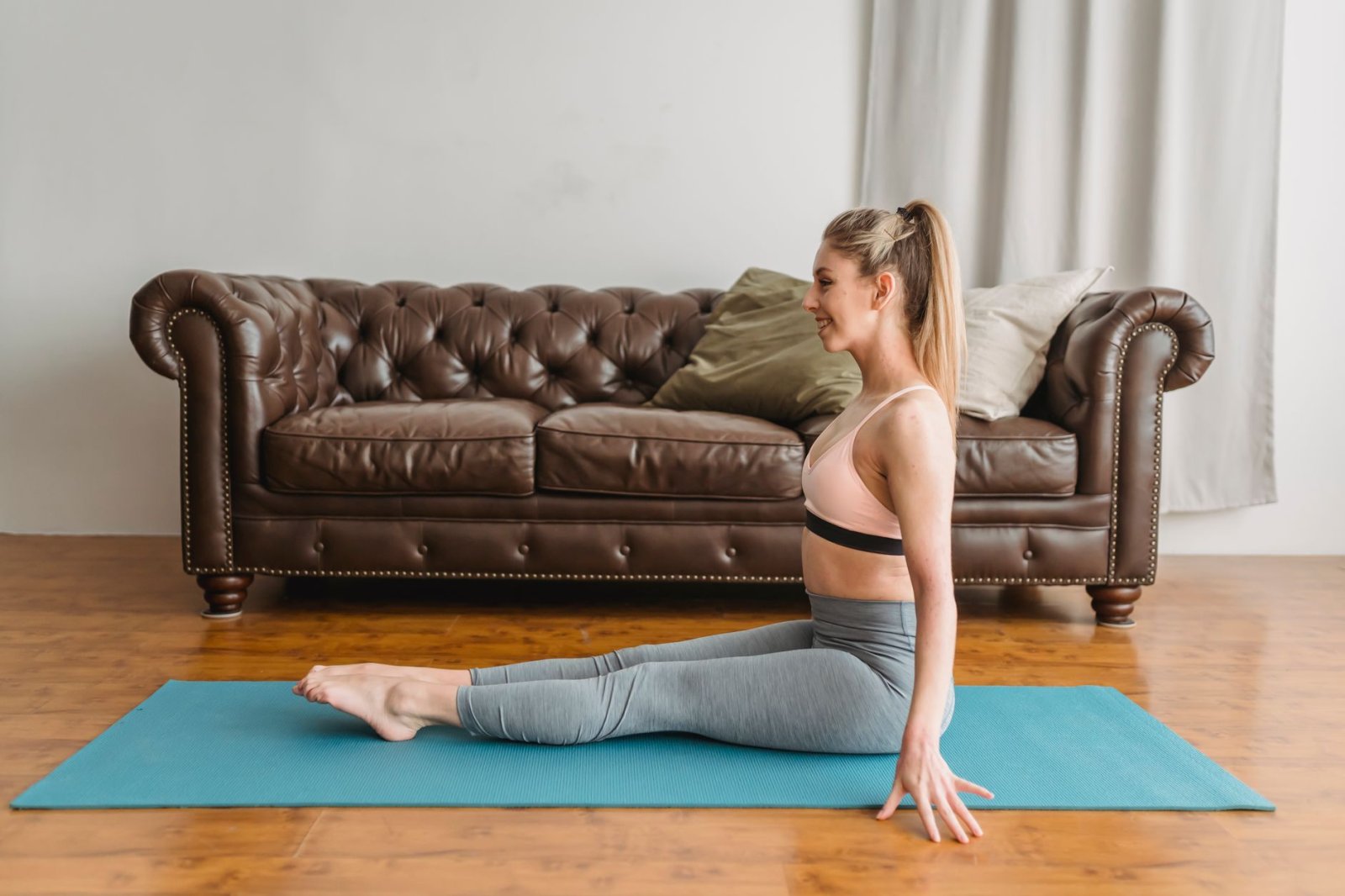
The difference is scope. Mat certification covers floor work only. Comprehensive certification adds the reformer and other apparatus.
Certification | Covers | Best For | Time Investment |
Mat only | Floor exercises, mat sequencing | Group mat classes, low-cost entry | Shorter |
Comprehensive | Mat plus reformer, cadillac, chairs | Full studio teaching, private sessions | Much longer |
Mat certification is the faster, cheaper entry point. It also limits where you can teach. Studios that run reformer classes need instructors trained on the equipment.
Comprehensive training opens more doors but costs more and takes longer. If you plan to teach in a studio setting, the broader credential is usually worth it.
Exams, Continuing Education, and Choosing a Certification Body
Choose a body that requires a practical exam, not just a written test. A written exam proves you read the manual. A teaching demonstration proves you can coach.
Questions to ask any certification body:
Is there a supervised practicum requirement?
Does the exam include a live teaching component?
How many continuing education hours are required each cycle?
Is the program recognized by studios you want to work for?
Continuing education is not a formality. The method keeps evolving, and instructors who stop learning stop improving. Look for a body that requires regular credits.
If you are weighing instructor qualifications for your own practice, our guide to private Pilates sessions explains what to look for in a well-trained instructor.
Building Your Teaching Skills at FLX FLO Pilates
Certification gets you in the door. Teaching well takes longer.
The skill most new instructors lack is modification. A client arrives with a bad shoulder or a stiff lower back, and the standard sequence does not fit. You need to adjust in real time.
At FLX FLO Pilates, our approach centers on moving smarter rather than harder, with a focus on postural integrity and deep core activation. It also means meeting each client where they are.
If you are training to teach, spend time in a studio watching how instructors handle limitations. Our classes give you a sense of how sessions are structured and sequenced. When you are ready to talk through training or teaching, contact us and we will point you in the right direction.
Frequently Asked Questions
Do you need a certification to teach Pilates?
No state law requires a Pilates instructor certification, but nearly every studio and gym expects one before hiring. Certification shows you have completed training in anatomy, movement mechanics, and safe cueing. Without it, your liability insurance options are limited and clients have no way to verify your training. Most employers ask for a certificate from a recognized training program, and many also require CPR certification.
How much does Pilates instructor certification cost?
Pilates instructor certification cost varies widely by program type and depth. Mat-only programs generally cost less than comprehensive programs that cover reformer and other apparatus, because they require fewer training hours and less equipment access. Program length, whether materials and exam fees are included, and location all affect the total. Request a full cost breakdown from each program, including retake fees and continuing education requirements, before you enroll.
What is the difference between mat and comprehensive Pilates certification?
Mat Pilates certification qualifies you to teach floor-based exercises using body weight and small props. Comprehensive certification adds training on the reformer, cadillac, chair, and barrels, plus more anatomy and hands-on teaching hours. Mat programs take less time and cost less; comprehensive programs prepare you to teach in equipment-based studios. If you want to work at a reformer studio, comprehensive training is usually the practical choice.
How long does it take to get Pilates instructor certified?
Pilates instructor certification duration depends on the program. Mat certifications often take a few weekends or a few months of part-time study. Comprehensive programs commonly run several months to a year, because they include lecture hours, self-practice, observation, and supervised teaching. Many programs let you work at your own pace within a set window, so your schedule and prior movement experience affect how quickly you finish.
Getting certified is the start, not the finish. The instructors who last are the ones who keep refining their cueing, their modifications, and their understanding of how bodies actually move. FLX FLO Pilates builds that mindset into every session, with a focus on postural integrity, deep core activation, and sustainable strength that evolves with each client. Get started with FLX FLO Pilates and build a teaching practice grounded in precision and care.