Private Pilates Sessions: A Complete 2026 Guide

Last Updated: October 23, 2026
Quick Summary
Private Pilates sessions are one-on-one movement experiences tailored to your body, goals, and fitness level, typically lasting 50-60 minutes with personalized instruction that builds strength through precision and intentional movement. For those in Monmouth County seeking private Pilates sessions, this format offers individualized feedback and adjustment in real time, making it especially valuable for injury recovery, postural correction, and building foundational strength.
Private sessions typically run 50-60 minutes with personalized instruction and real-time feedback on your movement.
Most practitioners see noticeable results with two to three consistent sessions per week.
Reformer-based private sessions often cost more than mat-only sessions due to equipment maintenance and space requirements.
Qualified instructors should hold certifications from recognized programs requiring 500-1000 hours of comprehensive training.
Private sessions excel for injury recovery and beginners, while group classes offer community and lower per-session costs.
Table of Contents
What to Expect in a Private Pilates Session
Private vs Group Pilates: Which Format Serves You Best
Understanding Private Pilates Session Cost and Packages
Pilates Instructor Qualifications: What Credentials Matter
How Often to Do Pilates for Lasting Results
Reformer, Mat, and Apparatus Training: Choosing Your Equipment
How to Choose the Right Private Pilates Studio for Your Goals
What to Expect in a Private Pilates Session
A private Pilates session is a one-on-one movement experience designed specifically for your body, goals, and current fitness level. Unlike group classes where instructors modify movements for a room full of people, private sessions give you personalized attention from start to finish.

When you arrive for your first session, expect an assessment. Your instructor will ask about your movement history, any injuries, and what you hope to achieve. This isn't a formality, it shapes everything that follows.
The session itself typically runs 50-60 minutes. Your instructor will guide you through exercises that build strength with precision. You'll move slowly and intentionally, focusing on alignment and breath rather than speed or repetition counts.
Pro Tip Bring water and wear comfortable clothing you can move freely in. Most studios provide reformers and mats, so you don't need to bring equipment. Come 5-10 minutes early to settle in and let your instructor know how your body feels that day.
By the end of a private session, you'll feel more aware of your body. Many people notice improved posture immediately. Others describe a sense of calm mixed with energized muscles. This combination, strength and ease working together, is what makes private Pilates sessions distinctive.
Private vs Group Pilates: Which Format Serves You Best
The choice between private sessions and group classes comes down to your goals, budget, and learning style. Both deliver real results, but they work differently.
Private Pilates sessions offer individualized instruction. Your instructor watches every movement and adjusts in real time. If your shoulder is hiking up during an exercise, they'll catch it.
Group classes create community and energy. You move alongside others, which many people find motivating. The instructor offers modifications for different levels, but they can't watch each person individually.
Here's what matters: if you're recovering from an injury, managing a chronic condition, or completely new to Pilates, private sessions typically serve you better in the beginning.
For those in Monmouth County seeking private Pilates sessions, the decision often hinges on consistency and accessibility. Private sessions require scheduling around your calendar. Group classes run on fixed schedules. If you thrive with structure, group classes may suit you.
Key Takeaway Private sessions excel for injury recovery, postural correction, and building foundational strength. Group classes build community and cost less per session. Many practitioners combine both, private sessions for personalized work, group classes for variety and connection.
Format | Best For | Typical Duration | Personalization Level |
Private Sessions | Injury recovery, beginners, specific goals | 50-60 minutes | Very high |
Semi-Private (2-3 people) | Friends training together, moderate personalization | 50-60 minutes | High |
Group Classes | Community, consistency, variety | 45-60 minutes | Moderate |
Understanding Private Pilates Session Cost and Packages
Private Pilates sessions represent an investment in your body's long-term health and function. The cost varies based on several factors: instructor experience, studio location, equipment available, and whether you're booking single sessions or packages.
Most studios structure pricing around packages that offer better per-session rates than drop-in pricing. A single private session typically costs more than a class, but when you commit to a package, say, four or eight sessions per month, the per-session cost decreases.
Here's what shapes pricing: an instructor with advanced certifications and years of experience generally charges more than a newer instructor. Reformer-based sessions often cost more than mat-only sessions because the equipment requires maintenance and space.
Watch Out Beware of studios that quote prices significantly lower than the market rate in your area. Extremely cheap sessions often reflect limited instructor training, outdated equipment, or overcrowded schedules where you don't get genuine one-on-one attention. Pilates is a precision practice, your instructor's knowledge directly affects your results and safety.
When evaluating cost, consider what's included: Do packages expire? Can you pause your membership if life gets busy? Do they offer makeup sessions? Some studios lock you into monthly contracts; others offer more flexibility. Ask these questions upfront. The best package is one you'll actually use consistently.
Pilates Instructor Qualifications: What Credentials Matter
Not all Pilates instructors are equally trained. The field lacks a single governing body that certifies everyone, which means credentials vary widely. Understanding what matters helps you choose an instructor who can deliver real results safely.
A qualified Pilates instructor has completed a comprehensive training program, typically 500-1000 hours of study depending on the certification (Pilates Method Alliance | ITTAP Program). This training covers anatomy, movement mechanics, breathing, and how to modify exercises for different bodies and conditions. Organizations like the Pilates Method Alliance maintain standards for instructor training and continuing education.
Look for instructors who hold certifications from recognized programs. These programs require study in classical Pilates principles, anatomy, and hands-on practice with clients. Your instructor should be able to explain their training background without hesitation.
Beyond certification, experience matters. An instructor who has worked with diverse populations, people recovering from injuries, older adults, athletes, beginners, brings practical knowledge that classroom training alone doesn't provide. Ask potential instructors about their experience with your specific situation.
At FLX FLO Pilates, our teaching approach emphasizes education. We believe your instructor should help you understand why you're doing each movement, not just tell you what to do.
Pro Tip When interviewing an instructor, ask: "How would you modify this exercise if I had shoulder pain?" or "How do you know if I'm doing this correctly?" Their answers reveal whether they understand individual assessment and modification, the hallmark of skilled instruction.
How Often to Do Pilates for Lasting Results
Consistency matters more than intensity in Pilates. Your body adapts to regular, mindful movement better than it responds to sporadic intense sessions. The question isn't "How hard should I work?" but rather "How regularly can I practice?"
Most practitioners see noticeable changes in posture, strength, and body awareness within consistent practice. "Consistent" typically means two to three sessions per week.
If you're new to Pilates or recovering from an injury, starting with one or two sessions per week allows your body to adapt without overwhelming it. As you build strength and familiarity with movements, adding a second or third session accelerates progress.
Here's what research on movement adaptation suggests: your body needs repeated exposure to a movement pattern for it to become automatic (Updates in Motor Learning: Implications for Physical Therapist Practice and Education). Pilates works because it combines precision with repetition.
The frequency that works best depends on your goals. Someone managing chronic pain might benefit from consistent twice-weekly sessions focused on stability and alignment. An athlete looking to enhance performance might add private sessions to their existing training schedule.
Key Takeaway Aim for consistency over intensity. Two to three private Pilates sessions per week produces visible improvements in posture, strength, and movement quality. More frequent sessions accelerate progress; less frequent sessions maintain benefits without significant advancement.
Reformer, Mat, and Apparatus Training: Choosing Your Equipment
Pilates equipment serves different purposes, and understanding these differences helps you choose what aligns with your goals.
Mat Pilates uses your body weight and gravity as resistance. You practice on a padded mat, performing exercises that build core strength and body awareness.
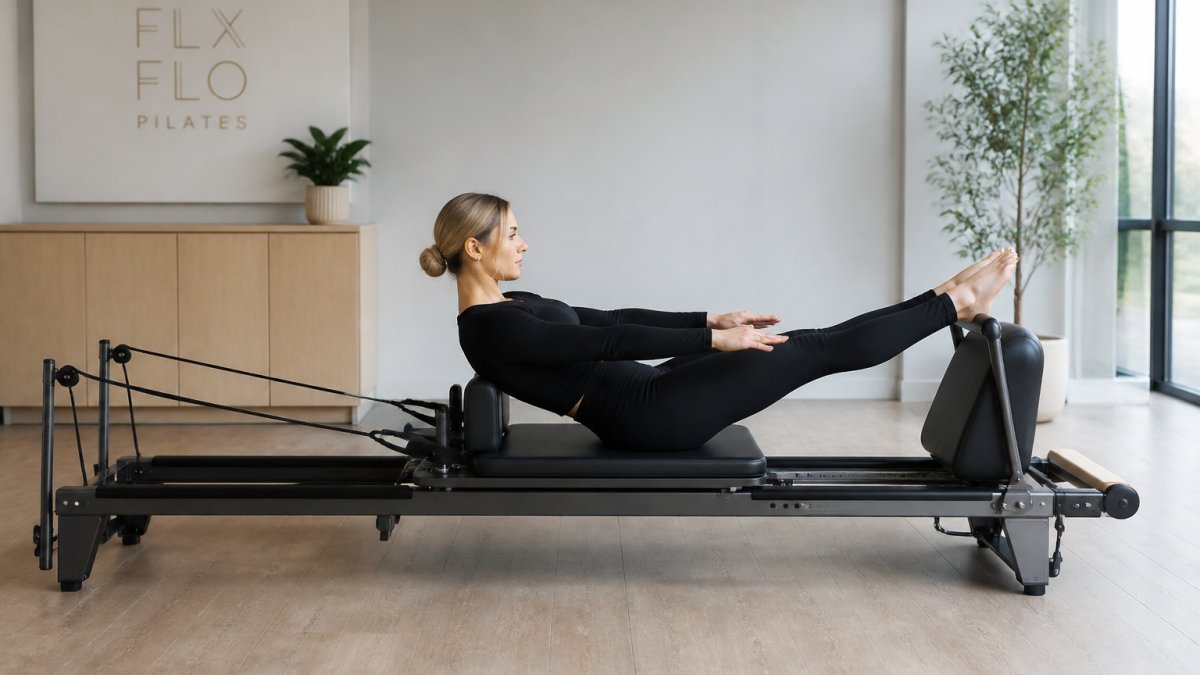
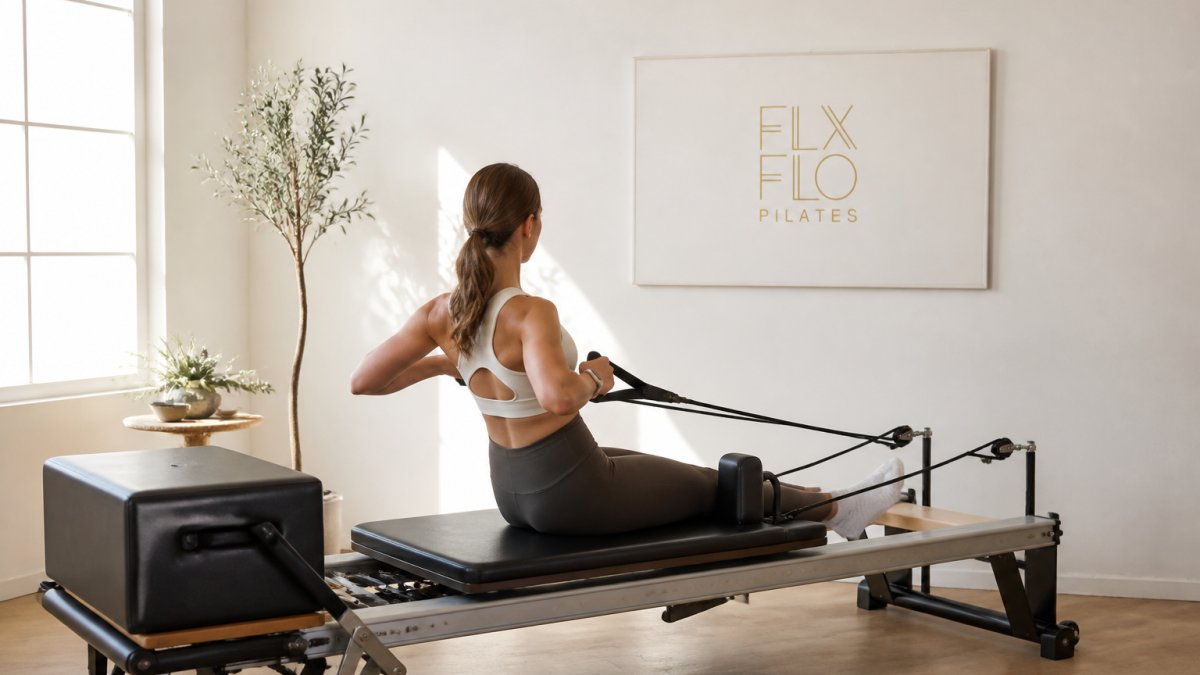
Reformer Pilates uses a sliding carriage, springs, and handles to create variable resistance. The reformer allows you to adjust difficulty by changing spring tension or body position.
Apparatus training includes specialized equipment like the Cadillac, barrel, and chair. These tools offer unique movement possibilities and challenges. Apparatus work typically comes after you've built foundational strength through mat and reformer training.
For private Pilates sessions, reformer training often makes sense because an instructor can quickly adjust resistance to match your current capacity.
The equipment you choose depends on your starting point and goals. If you're new to Pilates, mat work builds essential awareness. If you're recovering from injury and need graduated resistance, a reformer provides that precision.
Best For Beginners: Start with mat Pilates to learn fundamentals. Injury recovery: Reformer sessions for adjustable support. Advanced practitioners: Apparatus training for new challenges and deeper strength.
How to Choose the Right Private Pilates Studio for Your Goals
Finding a studio that matches your needs requires looking beyond location and price. The right studio aligns with how you learn, what your body needs, and what you value in movement practice.
Start by clarifying your primary goal. Are you recovering from an injury? Building strength? Improving posture? Learning a new fitness practice? Different studios emphasize different aspects of Pilates. Some focus on classical, traditional Pilates. Others blend Pilates with contemporary movement science.
Visit the studio before booking. Notice the environment: Is it clean and organized? Does the space feel welcoming? Are reformers well-maintained? Talk to the instructors.
Ask about instructor training and experience. How long have instructors been teaching? What populations do they work with regularly? At FLX FLO Pilates, we believe your instructor's knowledge directly shapes your experience.
Consider logistics: Can you realistically get to the studio on the schedule they offer? Do they accommodate schedule changes? Will you actually use the sessions you buy?
Watch Out Red flags: Studios that pressure you into long-term contracts before you've tried a session. Instructors who don't ask about your movement history or current aches. Reformers that look worn or broken. Instructors who seem rushed or distracted during your session. Trust your instincts, if something feels off, it probably is.
Trust matters in Pilates. You're asking your instructor to guide your body through precise movements. You need to feel confident in their knowledge and comfortable in their presence. Take time choosing your studio. A good fit accelerates progress; a poor fit wastes time and money.
Choosing private Pilates sessions is choosing to invest in how your body moves and feels. Ready to experience the difference personalized instruction makes? Call to schedule a session and discover how private Pilates can rebuild your strength and realign your body from within.
Book Class
Add flxflopilates.com as a preferred source on Google →